
January 1458: The Election of Matthias Corvinus

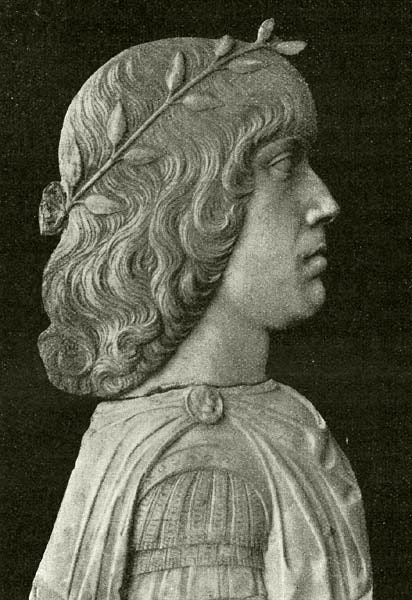
In January 1458, Hungary witnessed one of the most dramatic reversals of fortune in its medieval history. The 14-year-old Matthias Hunyadi, who had spent most of the previous year in captivity, was elected King of Hungary.
A year earlier, in March 1457, King Ladislaus V had broken his oath and ordered the arrest of both Hunyadi brothers in Buda for their roles in the death of Ulrich of Celje. Two days later, on March 16, Ladislaus Hunyadi was publicly beheaded in St. George's Square. The younger Matthias was spared, likely due to his youth, and held captive in a small house in Buda.
Matthias's mother, Erzsébet Szilágyi, and her formidable brother Michael Szilágyi launched a full-scale rebellion. King Ladislaus V retreated first to Vienna, then to Prague, taking his hostage Matthias with him.
The flight ended on November 23, when the 17-year-old King Ladislaus V suddenly died. Because Ladislaus died childless, the direct Habsburg line to the Hungarian throne was broken, instantly creating a power vacuum. Matthias Hunyadi remained imprisoned, now in the custody of the Bohemian regent George of Poděbrady, but his status had transformed: the reputation of his father and the martyred brother made him a viable candidate for the Hungarian throne.
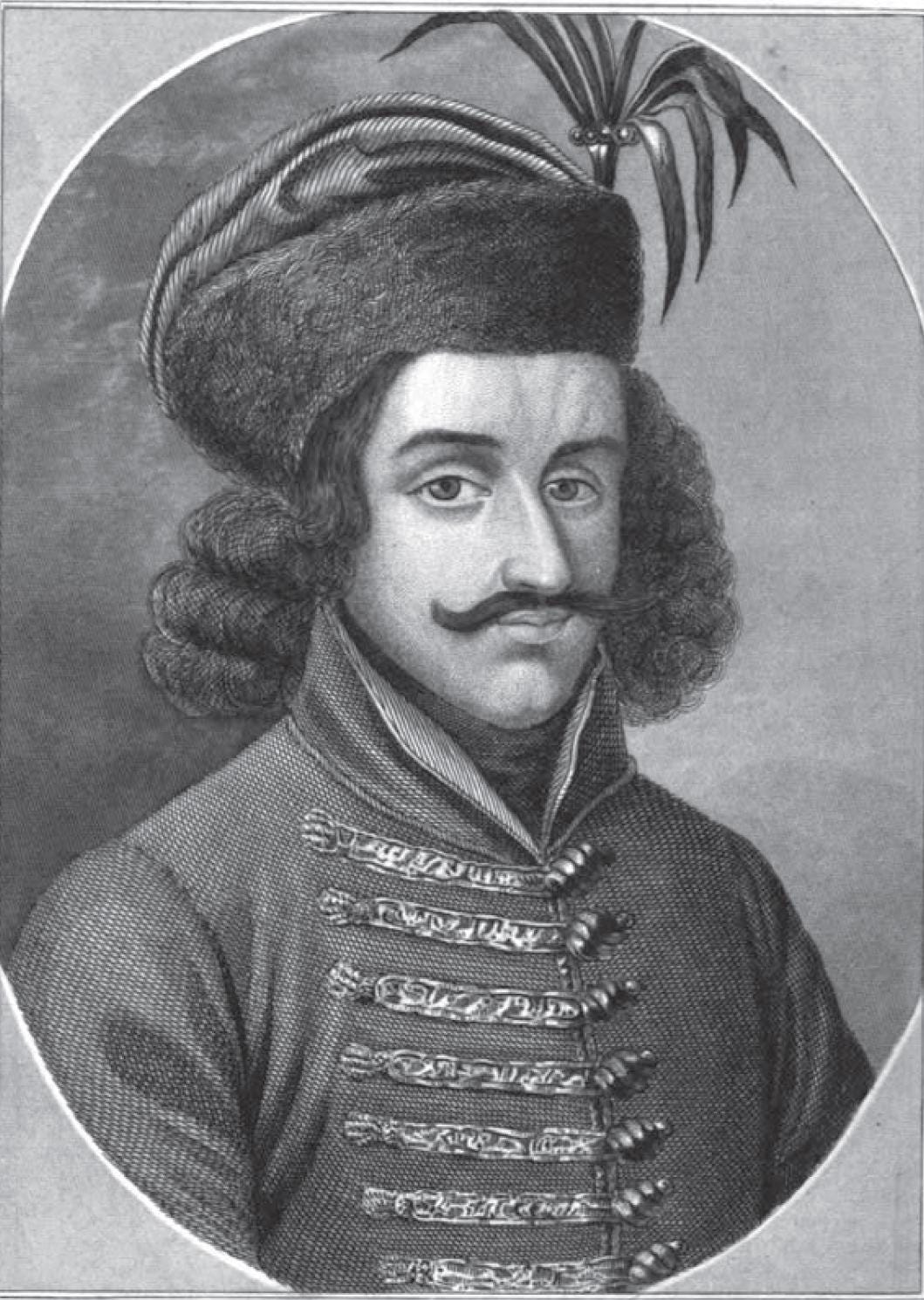
The death of the king forced Hungary's warring factions to negotiate. They faced a choice: elect a new king from their midst, or submit to a foreign claimant like Holy Roman Emperor Frederick III. Michael Szilágyi representing the Hunyadi league negotiated with Palatine Ladislaus Garai, representing the former royalist faction.
The leaders of the two great factions met in Szeged, where on January 12, 1458, they concluded a pivotal pact. Ladislaus Garai agreed to support young Matthias's candidacy. In exchange, Garai would retain his position as Palatine and receive amnesty for his role in Ladislaus Hunyadi's execution. It was agreed that Matthias would marry Garai's daughter Anna.
With the deal struck, the Diet was formally convoked in Pest later that month. The scene was tense — Michael Szilágyi assembled his formidable army of some 15,000 men at the traditional assembly ground of Rákos field. Faced with this show of force and the genuine popular support for Matthias, the gathered barons had no choice but to ratify the Szeged Agreement. The "unanimous" acclamation gave the pre-arranged deal a veneer of popular legitimacy. At the same time, the Diet elected Michael Szilágyi as regent to assist the young king for the next five years.
While the Hungarian Estates proclaimed him king, Matthias remained a captive in Prague, his freedom entirely dependent on George of Poděbrady. János Vitéz, Matthias's esteemed mentor and humanist bishop, was dispatched to negotiate the terms of his release. Poděbrady drove a hard bargain. He demanded a substantial ransom of 60,000 gold florins (£12,000) and insisted that Matthias marry his young daughter Catherine, who at the time was 8 years old.
This second demand placed the newly minted king in an immediate dilemma, as his uncle's deal had already promised his hand to Anna Garai. Here, while still a prisoner, Matthias personally agreed to the marriage with Catherine Poděbrady, rejecting the conditions of the domestic settlement.
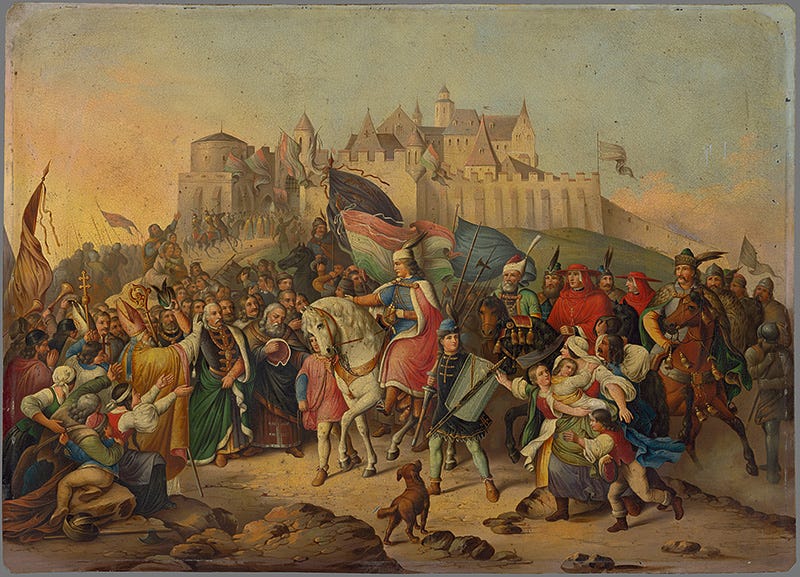
With the terms agreed upon, Matthias was formally released on February 9, 1458, handed over to the Hungarian delegation at the Moravian town of Strážnice, escorted by 500 Bohemian cavalry provided by his new future father-in-law. Five days later, on February 14, the 14-year-old king made his triumphant entry into Buda, greeted by joyous celebrations. He was ceremoniously seated on the royal throne in the Church of Our Lady, an act of taking possession of his kingdom. However, this was not a coronation — the Holy Crown of Hungary had been in the possession of Emperor Frederick III since 1440. Without a proper coronation with the sacred relic, Matthias's rule remained contestable.
Despite his youth, Matthias acted decisively. He reaffirmed his uncle as regent but began asserting independence almost immediately. By May, at the Diet of Pest, he was personally ratifying laws, bypassing the regent's authority. He repudiated the agreement with Garai — after all, he couldn't marry two brides — and dismissed him from the position of Palatine, appointing Michael Ország, a steadfast supporter of his father, in his place.
By summer 1458, the young king was signing laws in his own name and pushing his uncle to resign as regent before the term expired. It was clear that the young king would not be controlled by anyone, not even the man who had placed him on the throne.
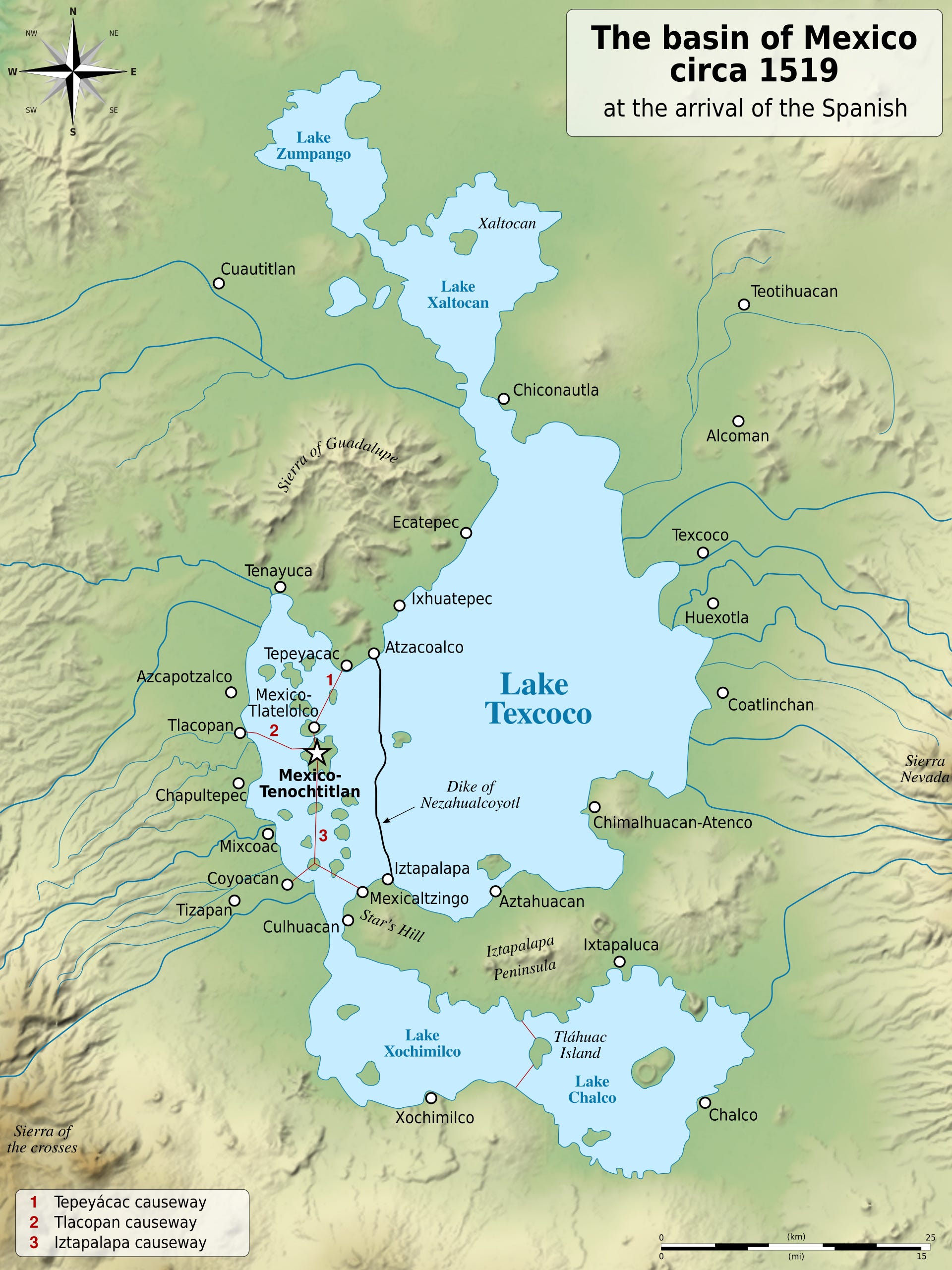
Sometime in 1458, the vast armies of the Aztec Triple Alliance were on the march, winding their way through the rugged mountain passes that led south from the Valley of Mexico into the Mixtec highlands. Led by Moctezuma I Ilhuicamina — "The Angry Lord, Archer of the Skies."
The Triple Alliance had been forged in 1428 when Tenochtitlan, Texcoco, and Tlacopan joined forces to overthrow their Tepanec overlords. The military alliance transformed into a tributary empire that subjugated neighboring states while leaving them largely autonomous.
By 1458, Moctezuma had been on the throne for eighteen years, and the empire's reach had grown dramatically. In the recent years, after the devastating famine of the early 1450s, he led his troops on the biggest campaign so far.
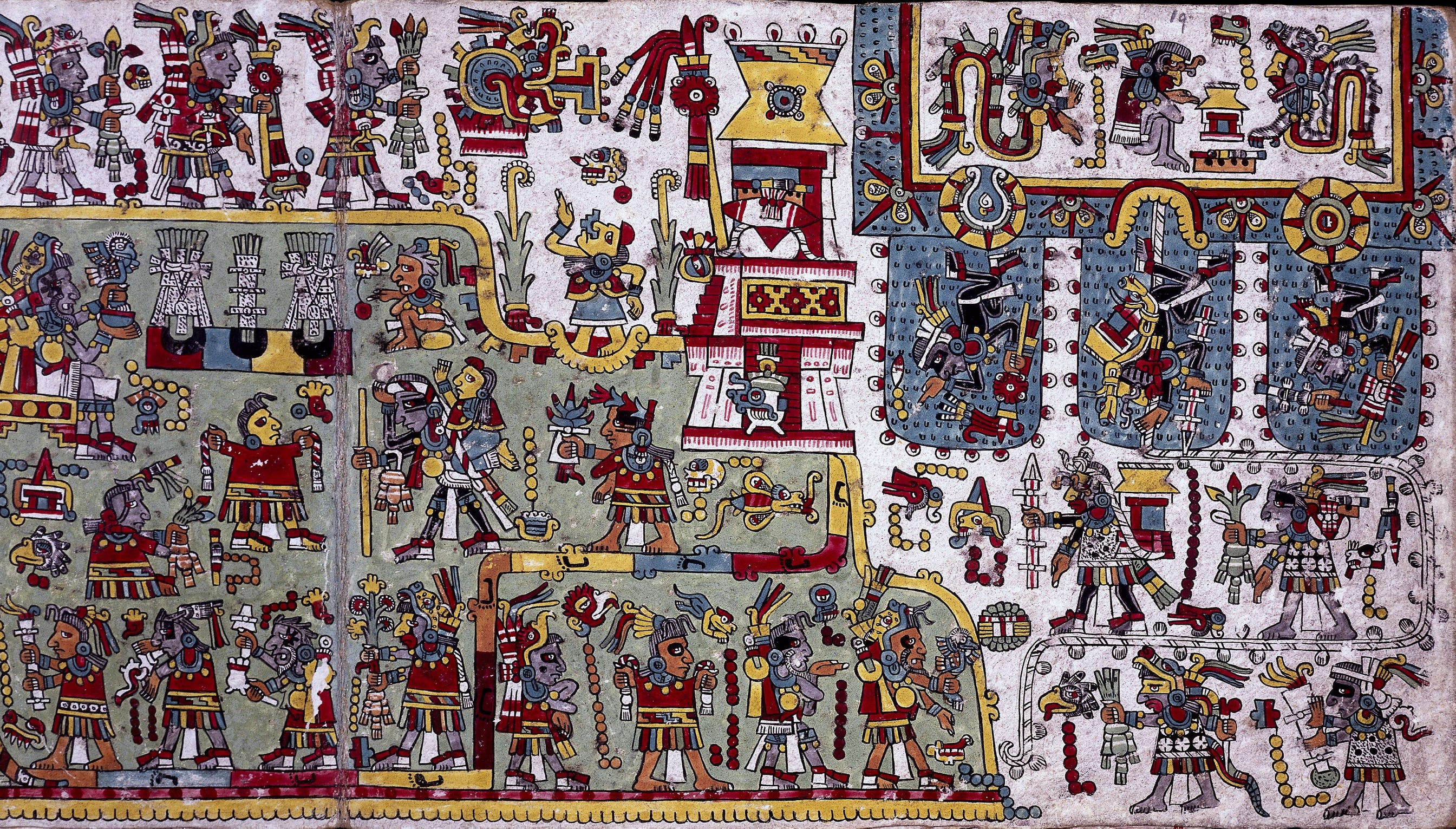
The target was Coixtlahuaca, a prosperous city in the Mixteca Alta, 800 km south of Tenochtitlan, inhabited by both Chocho and Mixtec peoples. Its importance far exceeded its size. The city controlled one of Mesoamerica's great markets where merchants from across Mesoamerica gathered to trade. Here, products of the tropical south met those of the temperate highlands. Just as importantly, Coixtlahuaca was a center for the production of some of Mesoamerica's most valued commodities. Its workshops produced the brilliant red cochineal dye that colored the cloaks of nobles, and its artisans were renowned for their skill in metalwork and the creation of elaborate feather mosaics.
The official justification for war had come three years earlier, around 1455, when a caravan of 160 Aztec pochteca merchants, along with their families and porters, had been massacred while passing through Coixtlahuaca's territory. An attack on the traders was seen as an attack on the empire itself. When Moctezuma sent ambassadors to demand an explanation, the response from Coixtlahuaca's ruler — known as Atonal in Nahuatl and Dzawindanda in Mixtec — was defiant. He loaded the Aztec envoys with rich gifts and sent them back with a message: "Take this to your king and tell him that by this he will know how highly my subjects hold me in esteem and the lengths they will go to defend me. I accept the war you propose and we'll see after that if I will pay tribute to the Mexicans or if they will pay tribute to me."
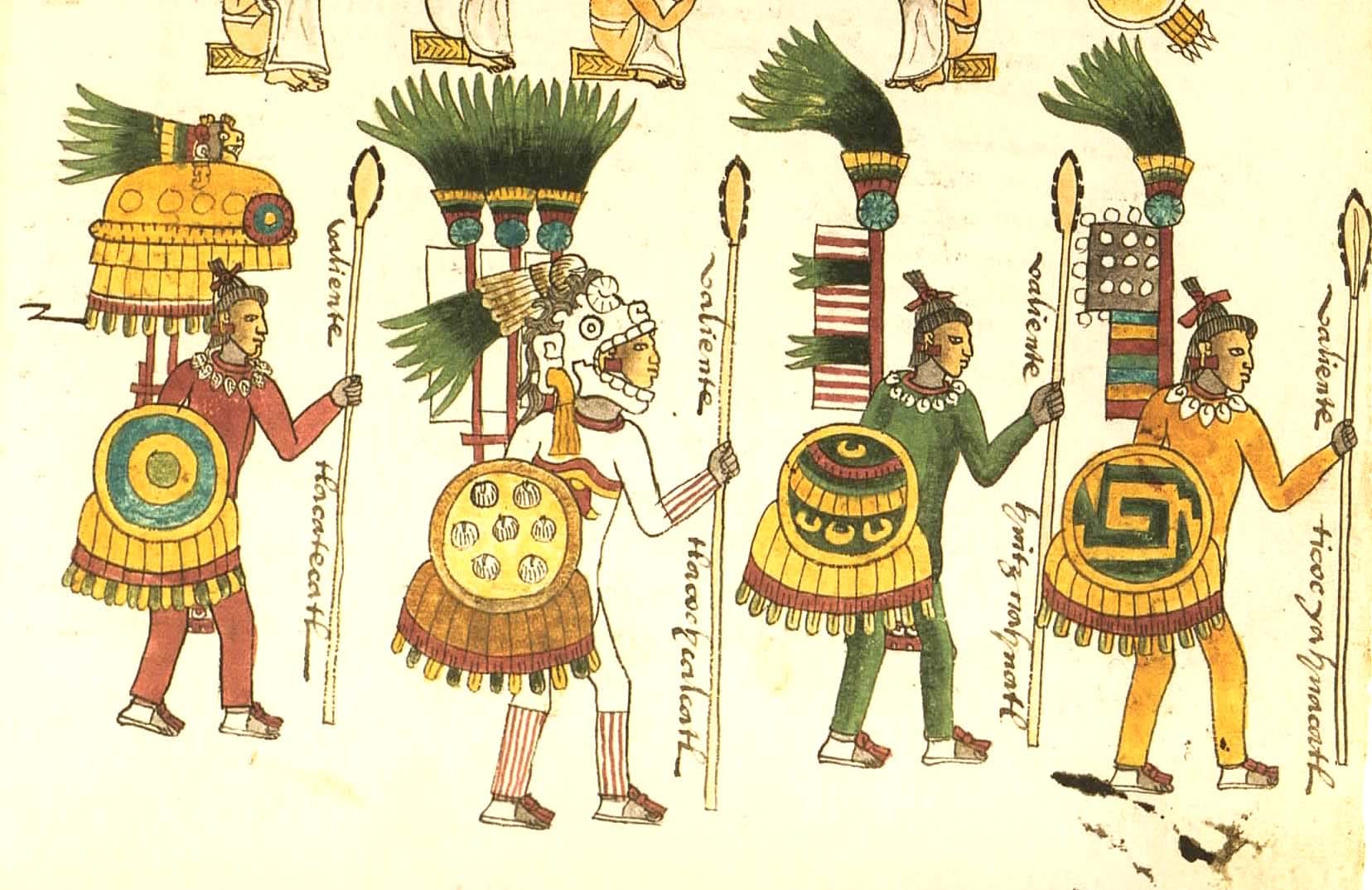
Rising to the challenge Moctezuma mobilized the full might of the Triple Alliance, assembling an army that some sources claim numbered 200,000 to 300,000 men, including the vast corps of porters needed to supply such a force on campaign. On his side Atonal had secured military support from various Aztec enemies: the highland confederacies of Tlaxcala and Huexotzinco, independent Nahua states that had been locked in perpetual conflict with the Triple Alliance.
The initial campaign ended in disaster for the Aztecs. The allied forces fought with desperate ferocity, breaking the Triple Alliance battle line and forcing a humiliating retreat back to the Valley of Mexico.
But Moctezuma was nothing if not persistent. He spent the next years preparing for a second assault. When around 1458 the Aztec forces returned to the Mixteca Alta they came with overwhelming force. This time the Triple Alliance prevailed. Coixtlahuaca's coalition was shattered, the city taken, and Atonal himself captured.
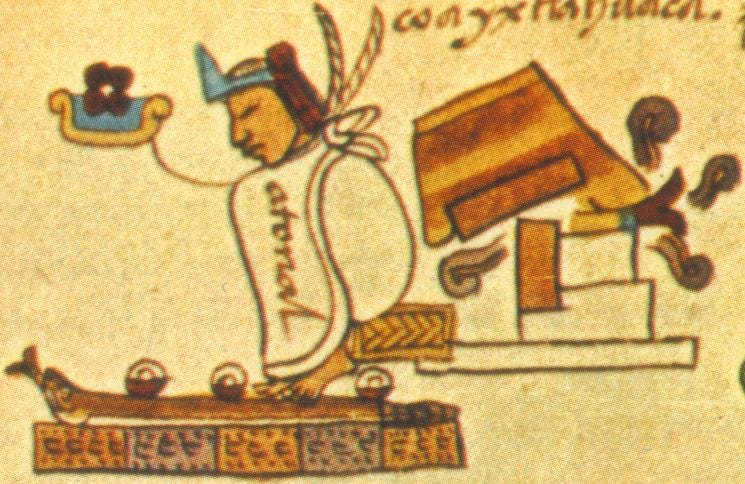
The aftermath followed the established pattern of Aztec conquest. Atonal was publicly executed by ritual strangulation, a death reserved for the highest-ranking enemies of the state. His family was sold into slavery. Coixtlahuaca and its subject towns were reorganized into a new tribute province, required to deliver payment biannually to Tenochtitlan. The tribute list included forty bags of cochineal dye, gold dust, precious feathers, jade, and elaborate warrior costumes.
Many of Coixtlahuaca's master artisans were forcibly relocated to Tenochtitlan, enriching the capital while draining the conquered city's economy. The victory's significance extended far beyond the immediate spoils. Moctezuma had successfully projected Aztec power over 800 kilometers from the capital, defeated a dangerous coalition that included his empire's greatest enemies, and secured control over one of Mesoamerica's crucial commercial nodes.
Each Aztec conquest expanded the empire's wealth and power, but also expanded the circle of those who nursed grievances against Tenochtitlan.